
"traditional coffee processing"
10000 article(s) found

Typical aroma and flavor descriptions of traditional Rwandan and Burundian coffee cups
Rwanda and Burundi are small landlocked countries located in the heart of the Great Lakes region of Africa. Although their specific histories are different, they have something in common in terms of coffee origin and society. Both countries are small countries with problems in history, but the boutique coffee they produce is very good, and it is very interesting that both of them have high average growth altitude and excellent coffee soil.

Why Ethiopian coffee is so popular the history of Ethiopian coffee tells you
Professional Coffee knowledge Exchange more information about coffee beans Please follow the coffee workshop (official Wechat account cafe_style) there are many reasons why coffee in Africa, especially Ethiopian coffee. Ethiopia's coffee industry is steeped in a rich blend of history, tradition and facts with historical fiction. From the story of Caldy and his ant goat to what coffee lovers call Yir

There are several traditional coffee bean processing methods| What are the processing methods for coffee beans?
Professional coffee knowledge exchange More coffee bean information Please pay attention to coffee workshop (Weixin Official Accounts cafe_style) Sunlight method: Sunlight method treatment will first identify the sink beans, that is, mature or semi-ripe beans spread in the bean drying field for natural drying. The exact time depends on local climatic conditions, and generally takes two weeks to four weeks. When the moisture content of coffee beans drops to 12%,

"Coffee birthplace" all kinds of fine coffee in Ethiopia emerge one after another. Whose flavor is good?
There are many reasons for loving African coffee, especially Ethiopian coffee. Ethiopia's coffee industry is steeped in a rich blend of history, tradition and facts with historical fiction. From the story of Caldi and his ant goat to what coffee lovers call Yirgacheffe's pious tone, Ethiopian coffee evokes pure coffee romance. Come on, say it. It starts from

Sumatra coffee growing traditional Chinese medicine taste Mantenin coffee in the light roasted Mantenin traditional wet
When it comes to Asian coffee, the first impression of coffee lovers is often calm and calm. Asian coffee is generally characterized by thick flavor, strong sweetness and round taste, but slightly flat aroma and brightness. It is precisely because of the heavy nature of Asian coffee that it is very suitable to be used as a base when making Italian coffee. Raw coffee beans in Asia are generally processed by wet or semi-wet methods.

Panamanian Yellow Honey Coffee processing Coffee Poquet Cotova Manor Don K Coffee Manor Origin Information
The exchange of professional baristas please follow the coffee workshop (Wechat official account cafe_style) Product name: Panamanian Poquet Don K Manor Yellow Honey Private Collection (Panama Boquete Don-K Reserva Yellow Honey) Flavor description: flowers, white grapes, grapefruit, honey, smooth and delicate texture. The village under Kotowa

What are the treatment methods of raw coffee beans? which is better, capsule coffee machine or traditional coffee machine?
Natural washing is very common in Brazil. The natural washing method is very similar to the water washing method, except that the natural washing method uses a high-pressure washing machine to remove the mucous membrane of the coffee surface, thus skipping the fermentation process. Several raw coffee processing companies in Brazil and Colombia have patented this method and have become local natural water system processing monopolies. this
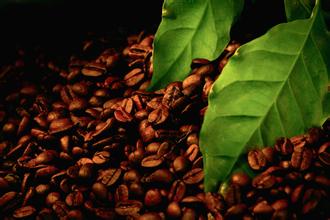
Panamanian Coffee processing method Honey treatment and traditional washing
Panamanian coffee originated in 1780, when European immigrants introduced the first Tipica tree species. Located in Central America, with the natural advantages of sunshine, land and mountains, coupled with a sufficient working population, the region is an excellent area for growing and producing high-quality boutique coffee, and it is a paradise for coffee. In particular, the Geisha coffee from Panama has led to the global customs.

LORING Coffee Roaster-S70 PEREGRIN intelligent roaster smokeless baking
The LORING intelligent coffee roaster solves two difficult problems that have not been solved in the traditional roaster: one is the control of the baking process, the other is the problem of smoke removal, so as to achieve smoke-free roasting. Its unique ldquo; flavor lock roaster rdquo; (Fla LORING intelligent coffee roaster solves two difficult problems that have not been solved in the traditional roaster: one is the control of the baking process, the other is
LORING Coffee Roaster-S15 FALCON energy-saving intelligent roaster for fresh baking
The LORING intelligent coffee roaster solves two difficult problems that have not been solved in the traditional roaster: one is the control of the baking process, the other is the problem of smoke removal, so as to achieve smoke-free roasting. Its unique ldquo; flavor lock roaster rdquo; (Fl LORING intelligent coffee roaster solves two difficult problems that have not been solved in the traditional roaster: one is the control of the baking process, the other is

Traditional design of non-coffee machine: hourglass coffee machine
Now see this hourglass coffee machine, is different from the traditional coffee machine design coffee machine. It requires that the ground coffee beans must be soaked in water for 12 hours before there is a delicious coffee to drink. Do you think this process is quite a long time? But you should know that such a long wait is good, so that the brewed coffee can effectively reduce acidity and reduce the thorn in the stomach.

Traditional Wet treatment of Burundian Fine Coffee beans by Kayanza Kabuye in Panjia treatment Plant
Country: Burundian growth: 1750 m production area: Kayanza Kabuye Baking degree: moderate Baking treatment: traditional Wet treatment Variety: bourbon seed treatment Plant: Parma treatment Plant Flavor: citrus Acid, Lemon, Orange, Almond aroma Burundi this is the first time we have introduced this coffee from the Blair treatment Plant.

The method of distinguishing the taste of traditional raw bean treatment method Ninety + taste W2Mague H2MagneN2
About the way of handling: W2TH2MagneN2: it can be understood as the traditional way of handling raw beans, and ninety + also regards them as the distinction of taste. Ninety Plus thought that coffee itself is a kind of fruit, so he made his own exclusive treatment according to taste (W2), (H2), and (N2). When you understand the traditional coffee treatment, you will find that a small amount of adjustment can make the relationship between them.

Danqi Dream Coffee is the legendary coffee bean of 90 + traditional treatment in which producing area.
Professional baristas exchange please pay attention to coffee workshop (Wechat official account cafe_style) net content: 227g packing mode: bulk origin: Ethiopia Levelup Drima Zede country: Sidamo altitude: 17502000m production area: Sidamo baking degree: light baking method: sun varieties: local native species treatment plant: NinetyPlus 90 + flavor

Guatemala coffee eight producing areas estate introduction boutique coffee Latissa estate
Traditional Atitln? Atitlan is one of the five largest volcanic coffee producing areas in Guatemala, and its soil organic matter is the richest of the five volcanic coffee producing areas. 90% of traditional Atitlan coffee is grown on the slopes of the intensely burning lake shore of Atitlan. The daily breeze stirring the lake is an important factor affecting the microclimate environment of the area.

Panamanian Coffee processing method Honey treatment and traditional washing
The microclimate of the Panamanian highlands is the most important resource that makes Panamanian coffee unique. The most important resource that makes Panamanian coffee unique is its microclimate. The east-west environment of the Republic of Panama allows cold air to flow through the Central Mountains and converge above 6500 feet, creating a variety of microclimates in the Boquete and Volcn Candela regions.

Panamanian Coffee processing method Honey treatment and traditional washing
The microclimate of the Panamanian highlands is the most important resource that makes Panamanian coffee unique. The most important resource that makes Panamanian coffee unique is its microclimate. The east-west environment of the Republic of Panama allows cold air to flow through the Central Mountains and converge above 6500 feet, creating a variety of microclimates in the Boquete and Volcn Candela regions.

Panamanian Coffee processing method Honey treatment and traditional washing
The microclimate of the Panamanian highlands is the most important resource that makes Panamanian coffee unique. The most important resource that makes Panamanian coffee unique is its microclimate. The east-west environment of the Republic of Panama allows cold air to flow through the Central Mountains and converge above 6500 feet, creating a variety of microclimates in the Boquete and Volcn Candela regions.
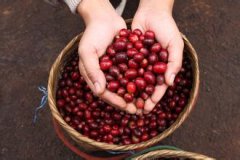
Panamanian Coffee processing method Honey treatment and traditional washing
The microclimate of the Panamanian highlands is the most important resource that makes Panamanian coffee unique. The most important resource that makes Panamanian coffee unique is its microclimate. The east-west environment of the Republic of Panama allows cold air to flow through the Central Mountains and converge above 6500 feet, creating a variety of microclimates in the Boquete and Volcn Candela regions.